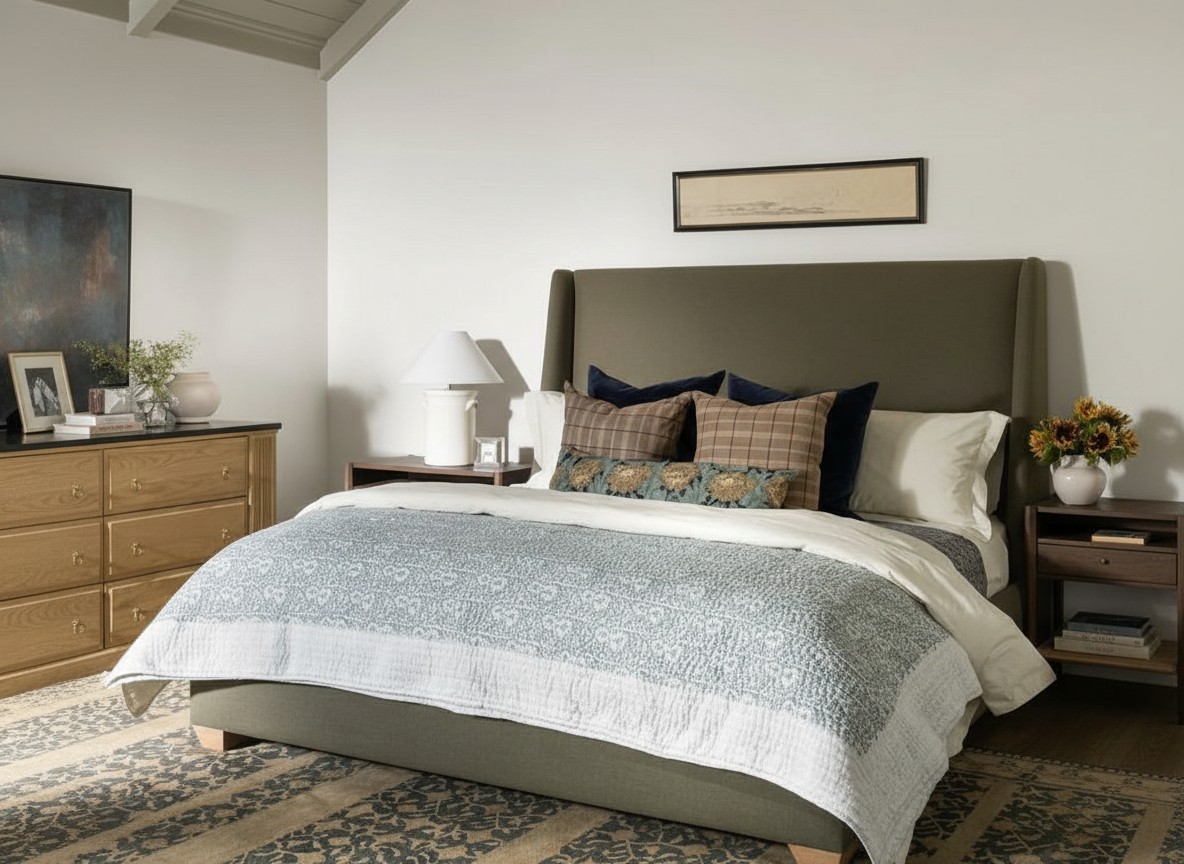
Minimalism is often misunderstood as a style that requires you to give up comfort or personality. In reality, minimalist home decor is about creating space—both physically and mentally—for what truly matters. It is a thoughtful approach to living that emphasizes simplicity, clarity, and intention. By removing excess and focusing on essentials, minimalist design allows your home to feel calm, organized, and effortlessly elegant.
At its core, minimalism begins with the idea of intentionality. Every piece of furniture, every decorative item, and every design decision should have a purpose. Instead of filling a room with objects, minimalist decor encourages you to carefully select items that add value to your life. This approach not only improves the visual appeal of your home but also enhances your overall well-being.
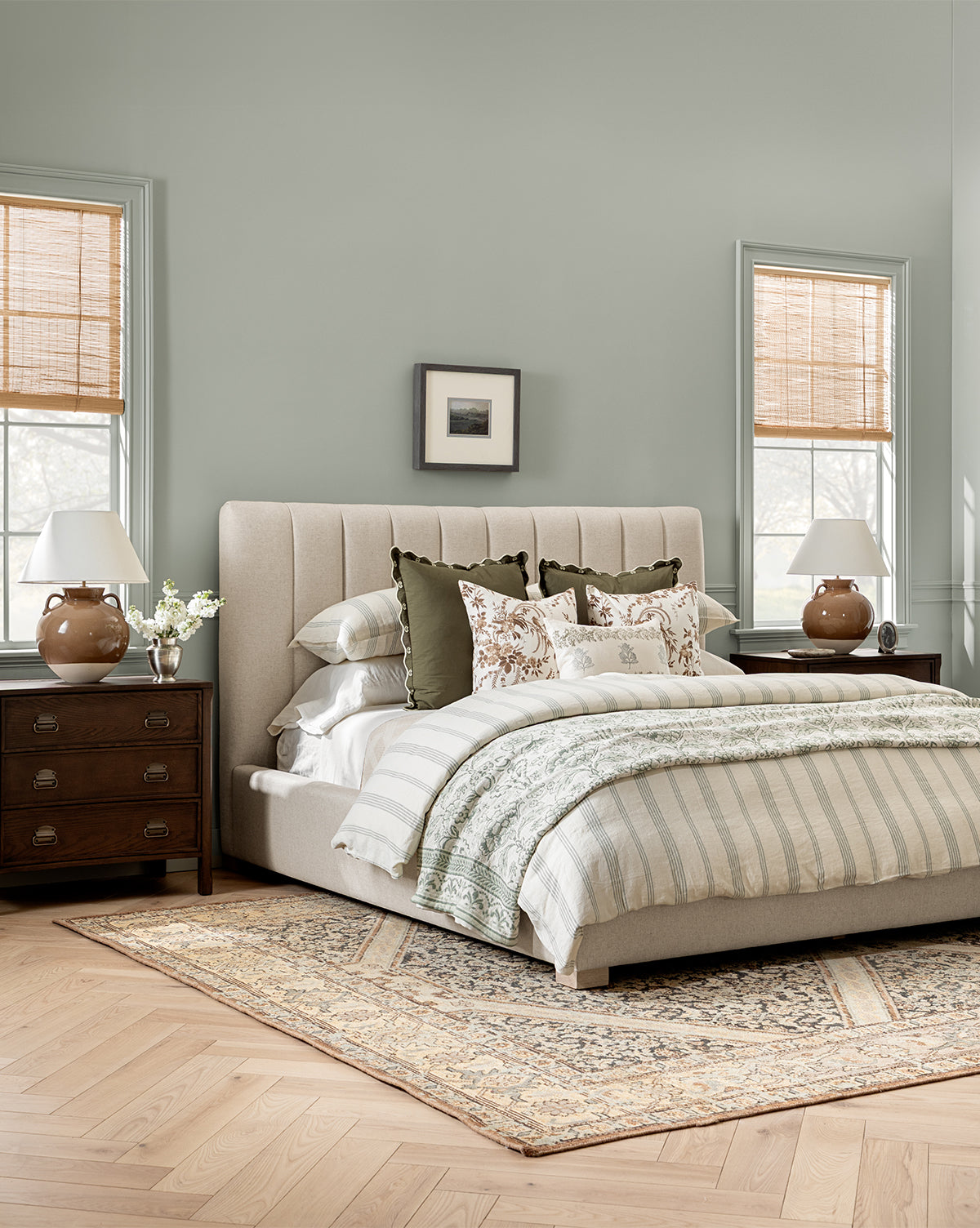
One of the defining characteristics of minimalist interiors is the use of a neutral color palette. Shades such as white, beige, soft gray, and warm earth tones create a soothing backdrop that promotes relaxation. These colors reflect light effectively, making spaces feel larger and more open. While minimalism is often associated with all-white interiors, incorporating subtle variations in tone can add depth and warmth without compromising simplicity.
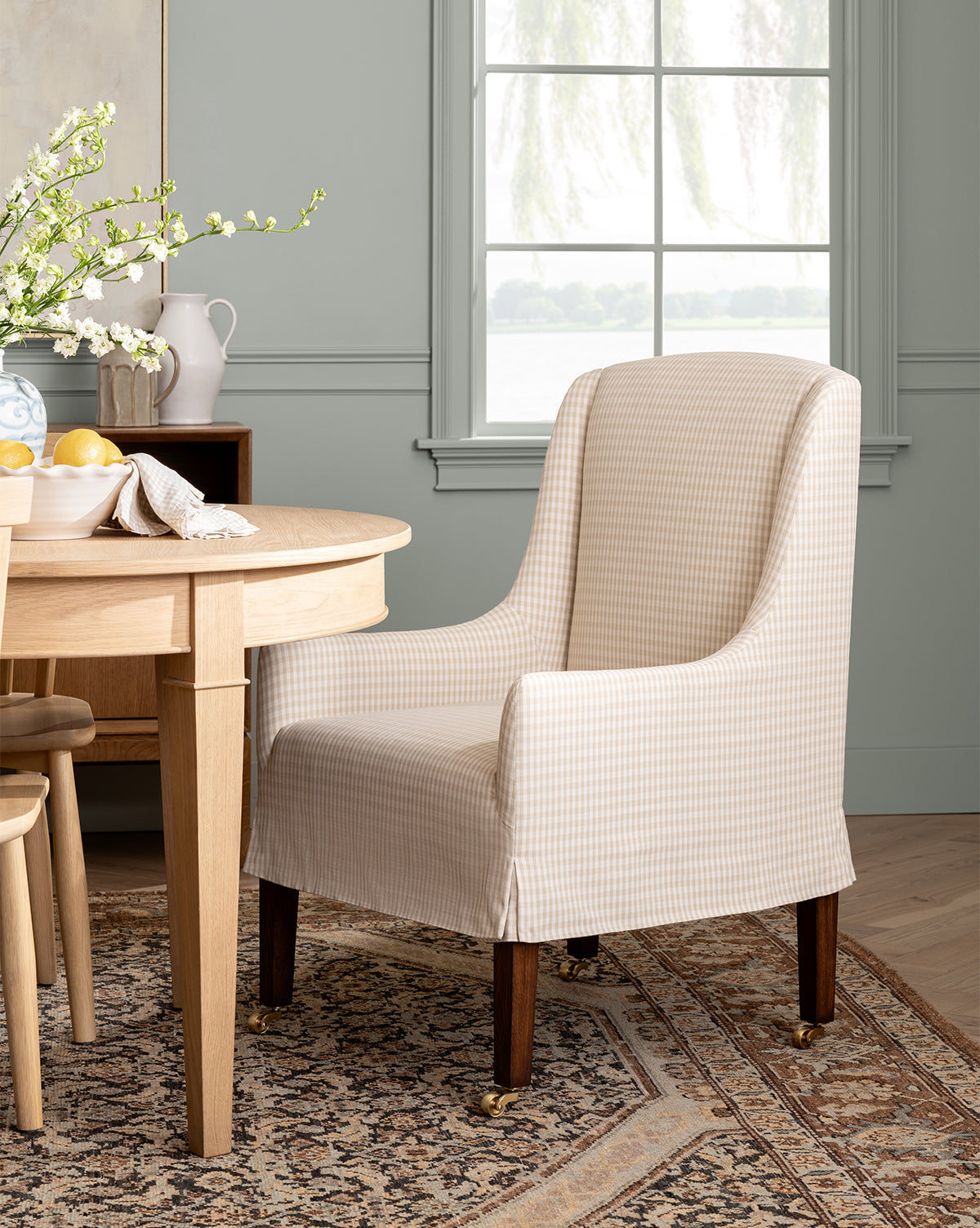
Furniture in a minimalist home is chosen with great care. Each piece should serve a clear function while contributing to the overall aesthetic. Clean lines, simple forms, and high-quality materials are key features. Avoid overly ornate or decorative designs that can create visual clutter. Instead, opt for timeless pieces that will remain relevant for years to come. Materials such as solid wood, metal, and natural fabrics are particularly well-suited to minimalist spaces.
Another important element of minimalist decor is the concept of negative space. Empty space is not wasted space—it is an essential part of the design. It allows the eye to rest and highlights the beauty of the objects that are present. By giving each item room to breathe, you create a sense of balance and harmony that is both calming and visually appealing.
Decorative elements in a minimalist home should be used sparingly but thoughtfully. A single statement piece can often have more impact than a collection of smaller items. For example, a carefully chosen vase, a piece of artwork, or a sculptural lamp can serve as a focal point. The goal is to create a sense of intention and clarity, rather than excess.
Lighting plays a crucial role in minimalist interiors. Natural light is highly valued, as it enhances the openness and simplicity of the space. Large windows, sheer curtains, and unobstructed views help maximize daylight. In the evening, soft and warm artificial lighting creates a cozy atmosphere. Simple lighting fixtures with clean designs complement the minimalist aesthetic without drawing unnecessary attention.
Storage is another key component of minimalist living. Clutter can quickly disrupt the sense of calm that minimalism aims to achieve. Therefore, incorporating smart storage solutions is essential. Built-in cabinets, hidden storage compartments, and multifunctional furniture help keep spaces organized and tidy. By reducing visual clutter, you create an environment that feels more peaceful and focused.
Minimalism also extends beyond physical objects—it influences how you interact with your space. A minimalist home encourages mindful living. It invites you to slow down, appreciate your surroundings, and focus on what truly matters. Instead of constantly acquiring new items, you become more intentional about what you bring into your home.
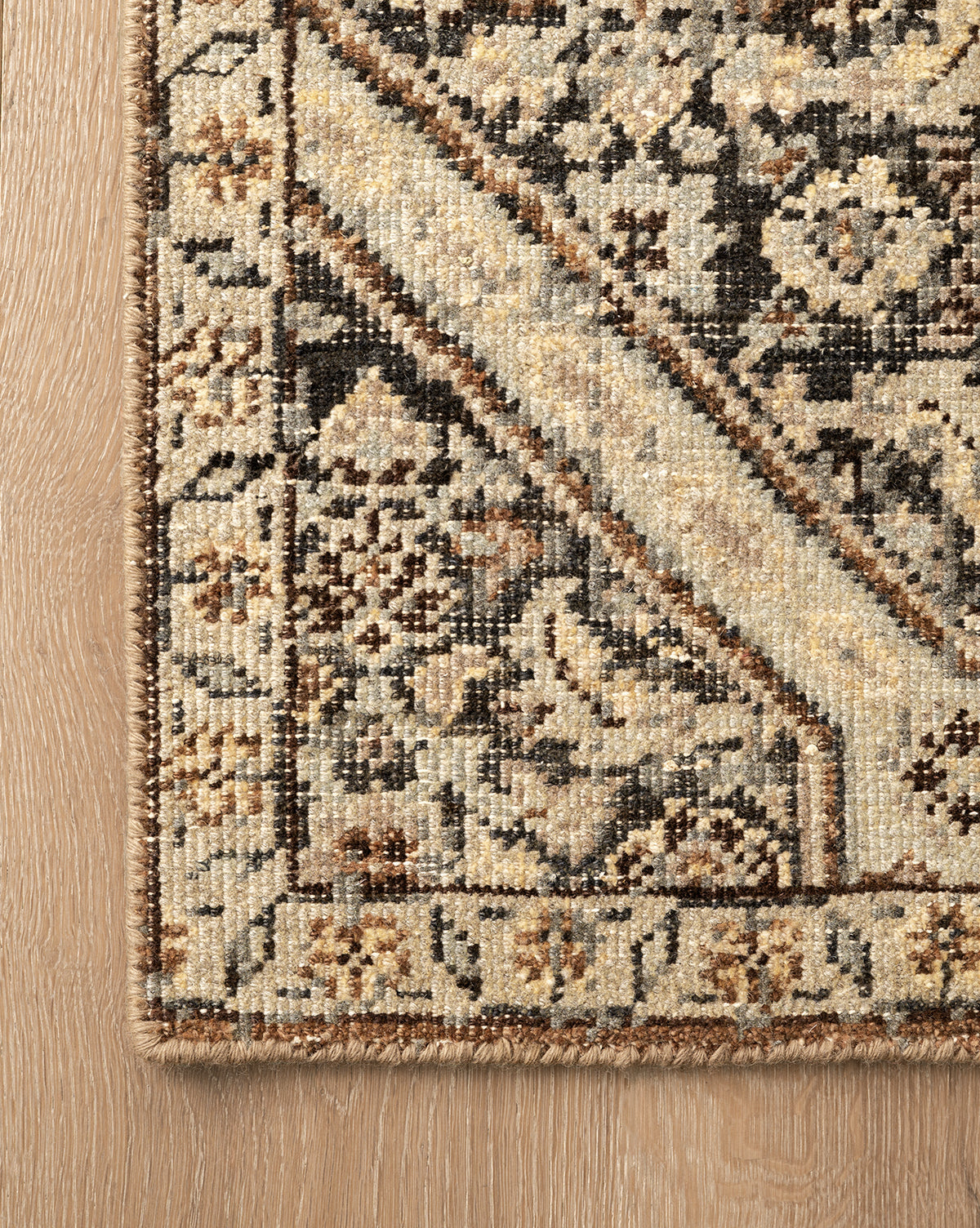
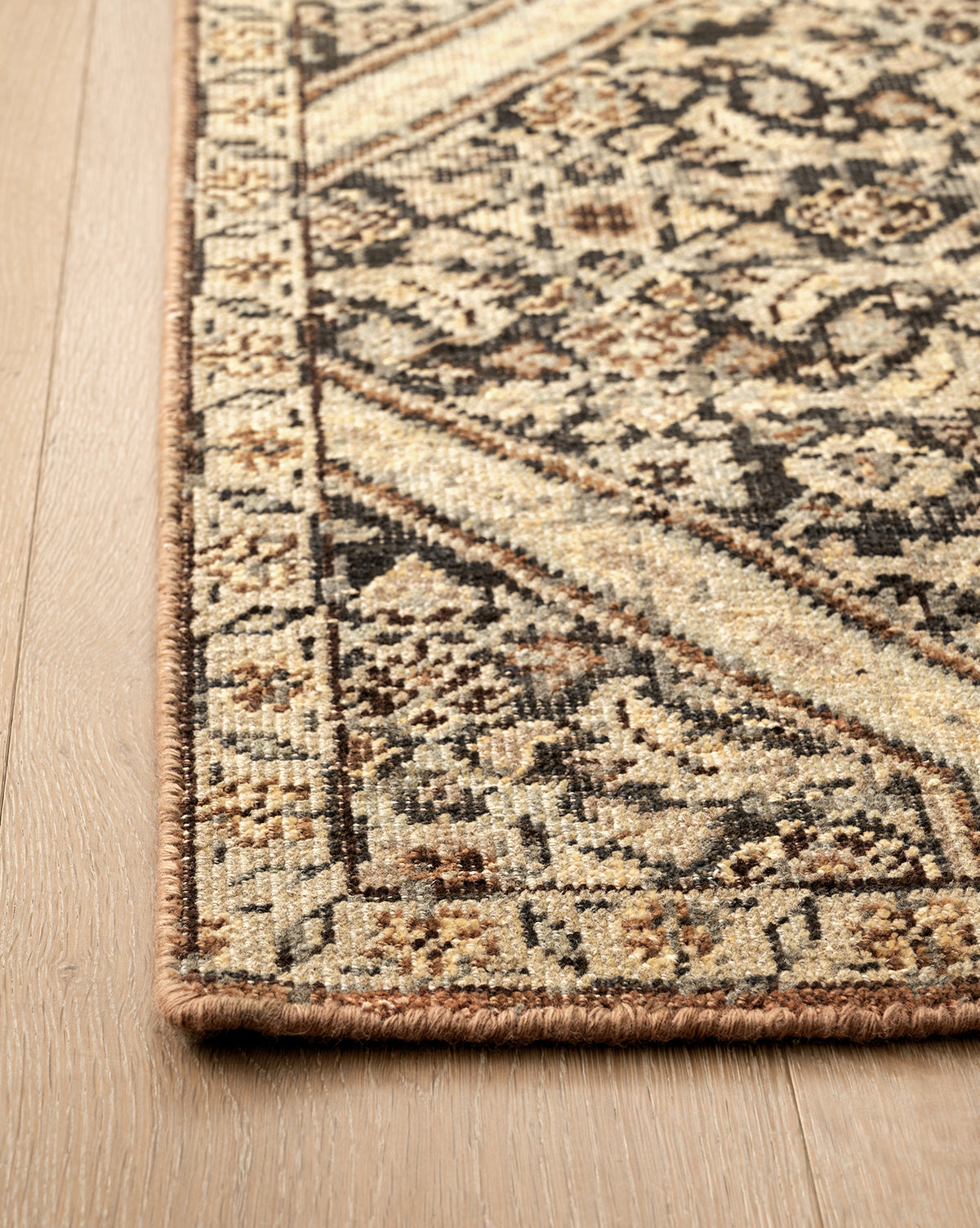
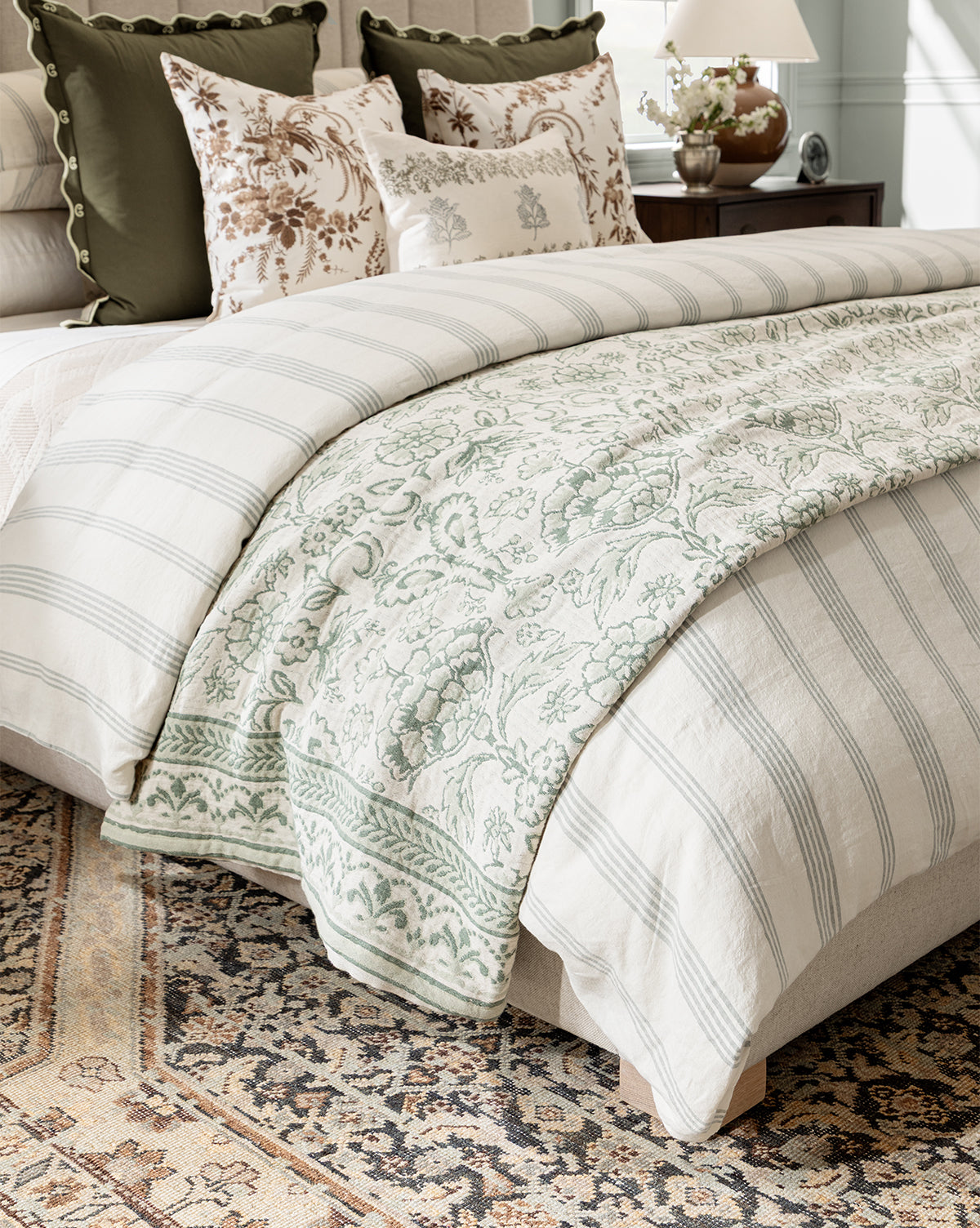
Texture is an important aspect that prevents minimalist spaces from feeling cold or sterile. While the color palette may be simple, incorporating different textures adds depth and interest. Soft textiles, natural wood grains, woven materials, and subtle patterns create a sense of warmth and comfort. This balance between simplicity and texture is what makes minimalist decor feel inviting rather than empty.
Another benefit of minimalist home decor is its timelessness. Trends come and go, but simplicity never goes out of style. By focusing on clean design and high-quality materials, you create a home that remains relevant and beautiful over time. This approach is not only aesthetically pleasing but also more sustainable, as it reduces the need for frequent updates or replacements.
Minimalism is also highly adaptable. It can be applied to various interior styles, from modern and Scandinavian to Japanese-inspired design. Each interpretation may differ slightly, but the underlying principles remain the same: simplicity, functionality, and intentionality.
For those new to minimalism, the process can begin gradually. Start by decluttering one room at a time. Evaluate each item and consider whether it serves a purpose or brings you joy. Keep only what is essential and meaningful. As you simplify your space, you will likely notice a shift in how you feel—less stressed, more focused, and more at ease.
It is important to note that minimalism does not mean eliminating personality. On the contrary, it allows your personal style to shine more clearly. With fewer distractions, the items you choose to display become more significant. Whether it is a favorite artwork, a meaningful object, or a beautifully crafted piece of furniture, these elements stand out and tell your story.
In conclusion, minimalist home decor is about more than just aesthetics—it is a lifestyle choice. It encourages you to create a home that is calm, intentional, and deeply personal. By embracing simplicity and focusing on what truly matters, you can design a space that supports both your physical comfort and mental clarity. A minimalist home is not empty—it is full of purpose, beauty, and peace.