A home is more than just a place to live—it is a reflection of your personality, your lifestyle, and the emotions you wish to feel every day. Thoughtful home decor has the power to completely transform a space, turning it from something purely functional into something deeply meaningful. When chosen with care, furniture and decorative elements can create an atmosphere that is both warm and elegant, making your home a place you truly enjoy spending time in.
Creating a welcoming environment begins with understanding the importance of balance. A well-designed home is not about filling every corner with objects, but about selecting pieces that complement each other. Each element should contribute to the overall harmony of the space. This includes considering proportions, colors, textures, and how different items interact visually and functionally.
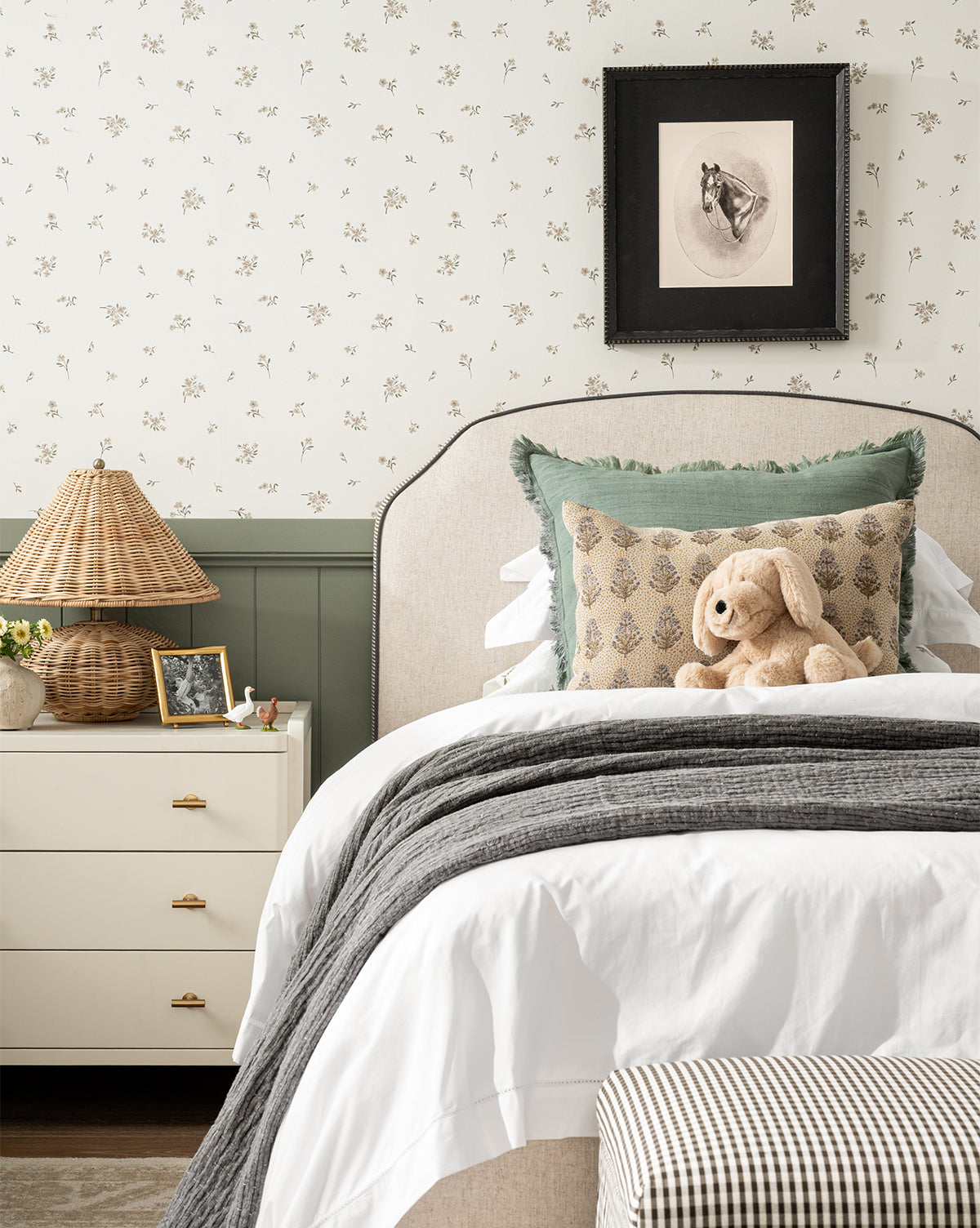
One of the most effective ways to create warmth in a home is through layering textures. Soft furnishings such as rugs, cushions, throws, and curtains play a crucial role in making a space feel comfortable and inviting. A carefully chosen rug can anchor a room and define specific areas, especially in open-plan spaces. Cushions and throws add softness to sofas and chairs, while also introducing subtle patterns or colors that enrich the visual experience.
Natural materials are another key element in achieving an elegant and welcoming atmosphere. Wood, linen, cotton, ceramic, and stone bring a sense of authenticity and calmness to a space. These materials age beautifully over time, adding character and depth. Incorporating handcrafted items can further enhance this effect, as they often carry unique textures and details that mass-produced items lack.
Lighting is perhaps one of the most powerful tools in home decor. It not only affects how a space looks but also how it feels. Soft, warm lighting creates a cozy and relaxing atmosphere, while brighter lighting can energize a room. Layering different types of lighting—ambient, task, and accent—allows you to adjust the mood depending on the time of day and activity. Statement lighting pieces, such as pendant lamps or sculptural floor lamps, can also serve as focal points that elevate the overall design.
Color selection plays a vital role in setting the tone of your home. Neutral color palettes, including shades of beige, cream, taupe, and soft gray, provide a timeless foundation. These tones create a calm and cohesive backdrop that allows other design elements to shine. To avoid monotony, you can introduce subtle accents through earthy tones, muted greens, or warm terracotta hues. The key is to maintain a sense of balance and avoid overwhelming the space with too many competing colors.
Furniture selection should prioritize both aesthetics and functionality. Investing in high-quality pieces ensures durability and long-term satisfaction. Choose designs that are not only visually appealing but also comfortable and practical for everyday use. Clean lines and simple silhouettes often work best, as they create a sense of order and elegance without feeling overly decorative.
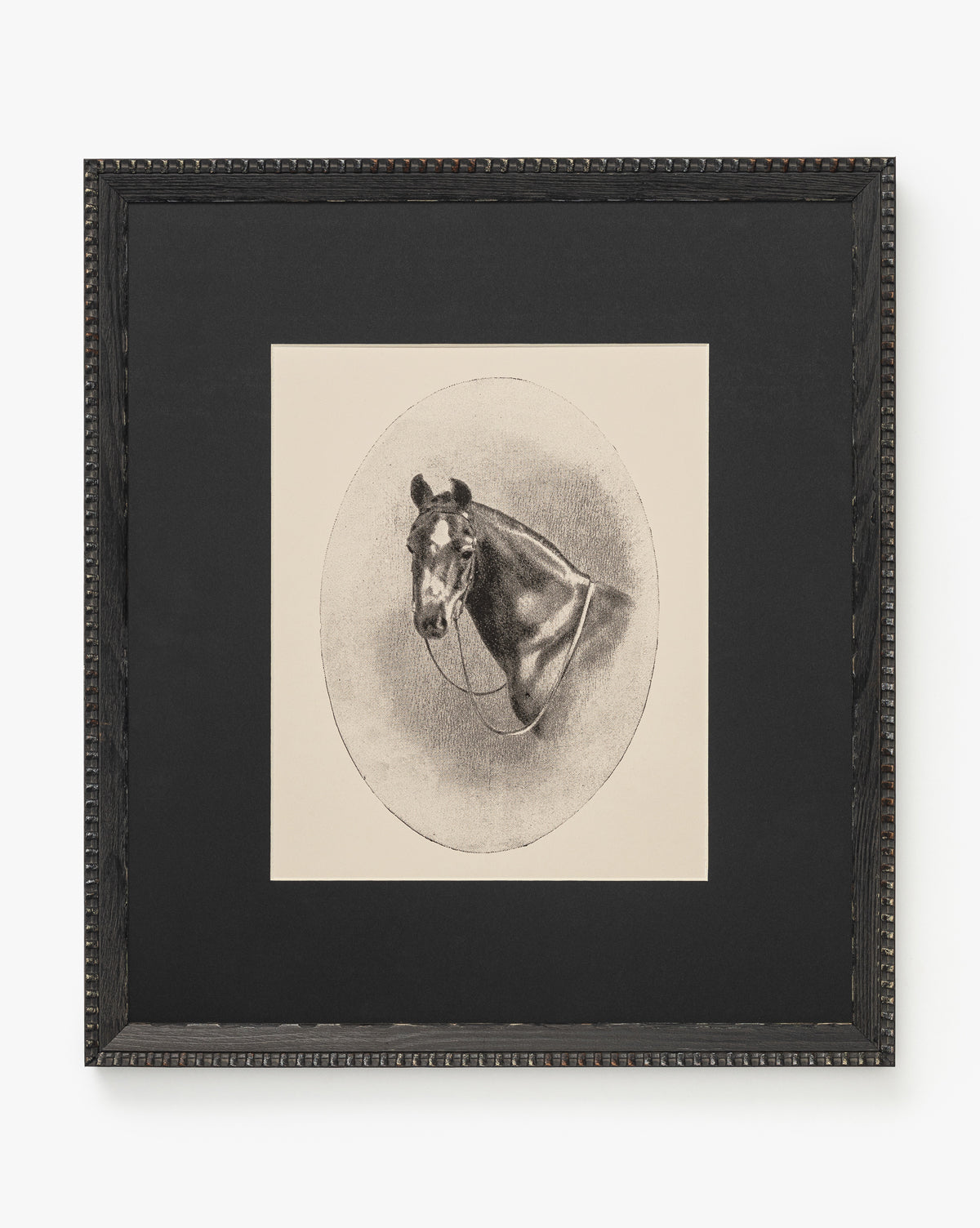
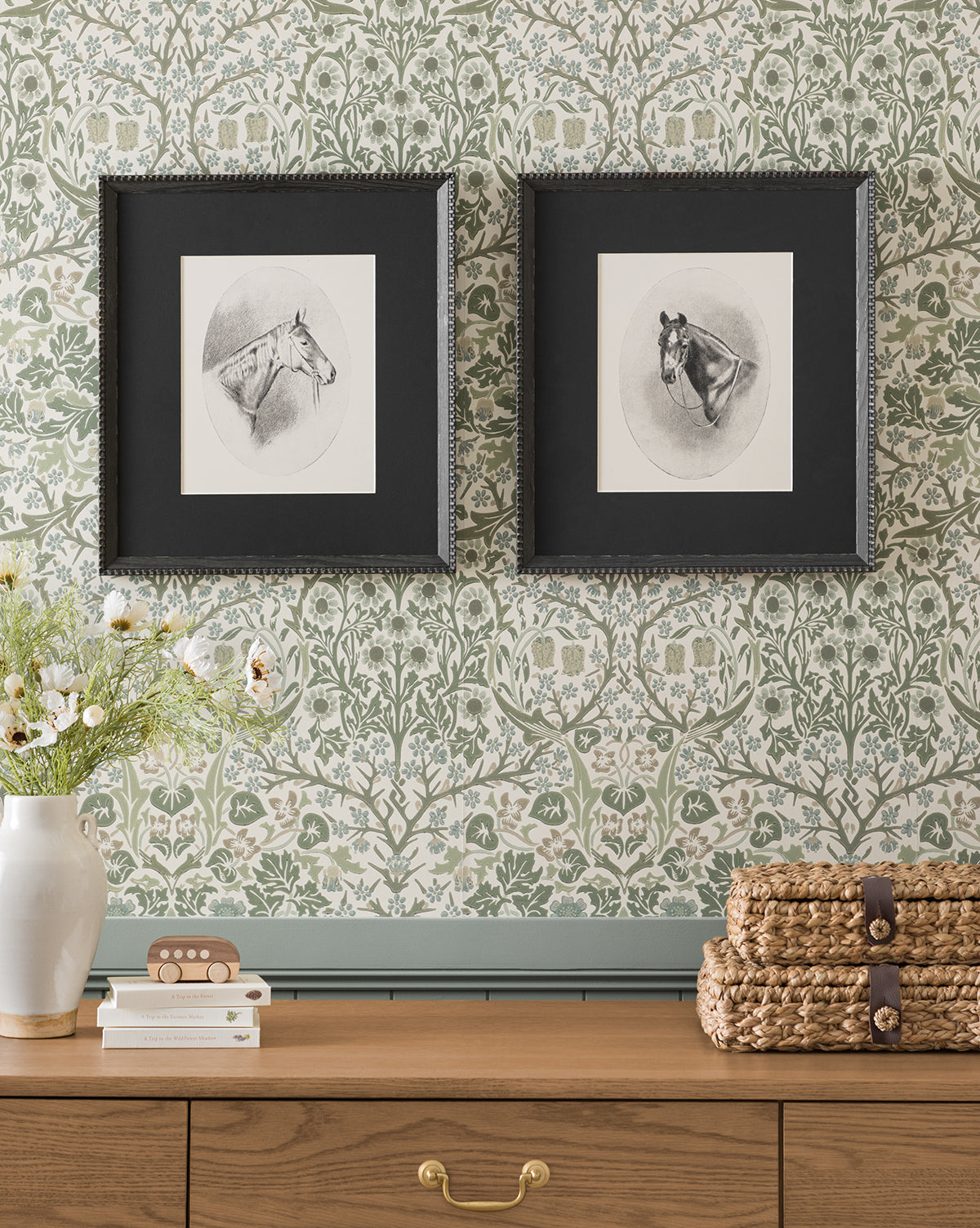
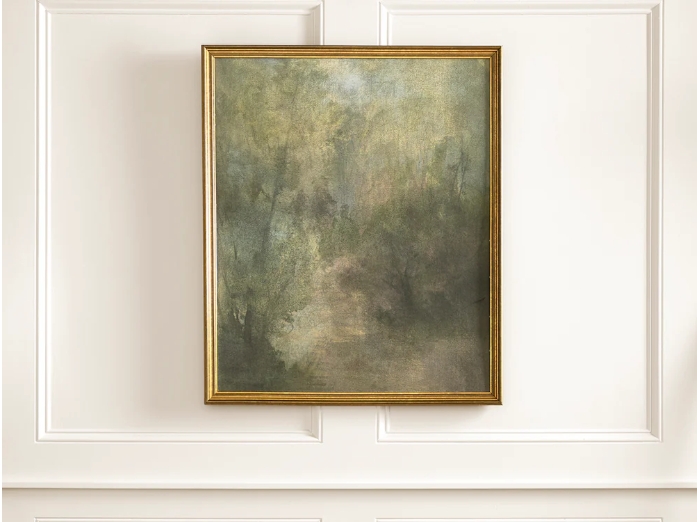
Decorative accents are what bring personality into a home. Items such as vases, artwork, books, and small sculptures can tell a story about who you are and what you value. However, it is important to curate these elements thoughtfully. Rather than displaying everything at once, select a few meaningful pieces and arrange them with intention. This approach creates a more refined and sophisticated look.
Another important aspect of home decor is creating a sense of flow between different spaces. Even though each room may serve a different purpose, there should be a consistent design language throughout the home. This can be achieved through repeating colors, materials, or design motifs. A cohesive flow makes the entire home feel more harmonious and well-designed.
In addition to aesthetics, comfort should always be a priority. A beautiful home should also be a livable one. Pay attention to details such as seating comfort, lighting levels, and how easily you can move through the space. Small adjustments, like adding a soft rug underfoot or ensuring proper lighting in reading areas, can make a significant difference in daily life.
Sustainability is becoming increasingly important in modern home decor. Choosing eco-friendly materials and supporting ethical production practices not only benefits the environment but also adds a deeper sense of value to your home. Sustainable decor often emphasizes quality and longevity, encouraging you to invest in pieces that will last for years rather than following short-lived trends.
Personalization is what ultimately makes a house feel like a home. Incorporate items that hold sentimental value, such as travel souvenirs, family heirlooms, or handmade objects. These elements create a unique atmosphere that cannot be replicated. Your home should tell your story and reflect your journey.
Finally, remember that creating a warm and elegant home is an ongoing process. Your space will evolve over time as your tastes and needs change. Do not be afraid to experiment, rearrange, and refine your decor. The goal is not perfection, but a space that feels authentic, comfortable, and inspiring.
In conclusion, thoughtful home decor is about more than just aesthetics—it is about creating an environment that supports your lifestyle and enhances your well-being. By focusing on balance, texture, lighting, color, and personal expression, you can design a home that is both elegant and inviting. A well-decorated home is not only beautiful to look at, but also a place where you can truly feel at peace.